Farfalle with Fresh Shelled Peas and Pancetta

•May 21, 2013 • Leave a Comment

P1340244

Dust is collecting on Italicious and I need to blow it off. I have been MIA, no excuses, I am around, but I momentarily lack inspiration. Cookers block, not sure what you would call that, but it is getting me down and we have been eating poorly as a result of it.

P1340253 P1340258  P1340267 P1340278

This delicious pasta dish was from weeks ago, I was hoping to fill in the hole with a non-pasta dish, since I am not a fan backing one pasta dish after another, but I haven’t made anything new in ages, just old standbys, recipes that I have already posted, or bread and cheese. Snore fest over here. I can’t explain it, or maybe I can, but my drive to see what’s new at the market is lagging. I need to break out the cookbooks for inspiration, and rev myself up or May is going to be a three post month and that is sad.

P1340257

Fresh peas are still available at the markets, but starting to fade out, we are seeing stone fruits, still not at their peak, but giving me hope for summer. Green beans are popping up, which I love, I can’t wait to see the dark green paesani beans to make pasta with, delicious.

I hope that my sister will visit us at some point around this time of year so we can enjoy these fresh peas together. We have had battles over peas since we were kids, her favorite vegetable and my least favorite, but make them freshly shelled from their pods and I like them too!

P1340348 P1340346  P1340350 P1340355

Farfalle with Fresh Shelled Peas and Pancetta

  • 1/2 pound farfalle
  • 1 pound peas for shelling
  • 1 shallot
  • 4 ounces pancetta or bacon
  • 3 tbsp extra-virgin olive oil
  • a few mint leaves, torn into small pieces
  • salt and pepper to taste

Fill a large pot with water for the pasta. Bring to a boil over high heat.

Shell the peas and rinse in cold water.

Heat oil in a wide saucepan over medium-high heat and add the onions, saute until translucent, add the pancetta and cook for a few minutes until it starts to color. Add the peas, salt and pepper to taste and cook for another couple of minutes.

Once the water starts to boil for the pasta add a small handful of salt to the water and bring to a rolling boil. Add the farfalle and cook until al dente.

When the farfalle are perfectly al dente, reserve a cup of the pasta water in case the farfalle dry out when tossing them. Without shaking all of the water out of the colander pour the farfalle into the pan and toss them over the flame with the sauce. This allows for the pasta to cook a little longer in the sauce and to absorb the flavor. Off the heat, sprinkle with fresh mint leaves. Serve immediately.

P1340357

One Year Ago: Vitello Tonné

Two Years Ago: Stuffed Zucchini, Melanzane in Insalata alla Calabrese & Spinach and Ricotta Quiche with Roasted Tomatoes and Onion Blossoms

Three Years Ago: Pollo all’Arancia Mt. Pleasant Farmers Market

Four Years Ago: Rigatoni with Sausages and Broccoli Rabe, Ligurian Stuffed ZucchiniZiti with Asparagus and Flounder, Frittata di PatateButternut Squash Soup


Spaghetti con la Bottarga

•May 11, 2013 • Leave a Comment

P1340293 P1340297 P1340299 P1340301

Bottarga is an acquired taste. This Sardinian specialty of pressed fish eggs dried in the sun was an exciting discovery for me, even if a bit of a shock to my senses when I first tried it. The first time I had it seemed a little too fishy for me, my husband (boyfriend at the time) made a simple spaghetti with bottarga and breadcrumbs, good, but it lacked balance.

It can be very expensive, though we tend to buy the stuff that is already grated, not as prized, but good nonetheless and considering our limited means when we were first dating and married, it was all we could afford. The good stuff is still in the roe sack, you can either thinly slice it or grate it, the flavors are a bit more subtle than the bottarga that you find in little jars.

P1340300 P1340303

Spaghetti con Bottarga

from Ricette di Osterie d’Italia: il pesce. 600 piatti di mare di lago e di fiume Slow Food Editore

  • 400 grams of spaghetti
  • 100 grams of bottarga
  • 1 onion
  • 50 grams of carrot
  • 40 grams grated zucchini zkins
  • 50 grams green apple, cut into thin strips
  • a handful of breadcrumbs
  • 2 tbsp extra virgin olive oil
  • black pepper

Fill a large pot with water for the pasta. Bring to a boil over high heat.

Chop the onion and the carrot into fine pieces. Heat oil in a large pan over medium-high, add onion, sauté until it is translucent. Add the carrots and the grated zucchini and after a few minutes the bottarga.

Once the water starts to boil for the pasta add a small handful of salt to the water and bring to a rolling boil. Add the spaghetti and cook until al dente.

When the spaghetti are perfectly al dente, reserve a cup of the pasta water in case they dry out when tossing. Without shaking all of the water out of the colander pour the spaghetti into the pan with the apple strips and breadcrumbs, toss them over the flame for about 30 seconds. This allows for the pasta to cook a little longer in the sauce and to absorb the flavor. Serve immediately with a drizzle of extra-virgin olive oil and a twist of fresh black pepper.

P1340307

One Year Ago: Parmigiana di Carciofi, Farfalle with Roasted Fennel and Swordfish Risi e Bisi

Two Years Ago: Risotto With Beet Greens and Roasted Beets & Green Tomato Summer Pasta

Three Years Ago:  Black-Eyed Peas With Collard Greens & Linguine with Artichokes and Scallops

Four Years Ago: Gemelli with Tuna alla Siciliana, Fish Tacos, Pizza di CollardsRoasted Asparagus with Fried Eggs, Okra Masala Stew over CouscousRefrigerator Noodle Creation


Baked Fettucine with Bechamel and Artichokes

•April 30, 2013 • 1 Comment

P1340318

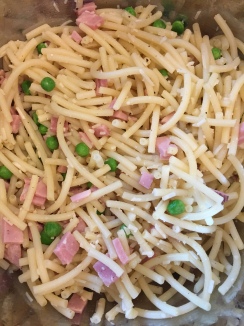
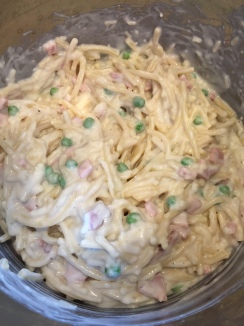
My brother-in-law has been staying with us frequently during the week, cooking for four is really no different than cooking for three, it is as simple as adding a little more pasta to the water. My problem is that I often am at a loss for what to make. We aren’t a cheese and crackers for dinner kind of family, nor do we have frozen dinner in our tiny freezer, neither homemade or store bought. I also wouldn’t dare feed 2 Italian men cheese and crackers, I would risk a revolt!

P1340320 P1340328  P1340331 P1340325  P1340332 P1340337

La soluzione? Pasta al forno. It is a make ahead meal, I made this one 2 days before we ate it, it feeds a lot of people, sometimes for days, and everyone loves a pasta al forno.

I had almost a liter of milk in my fridge that expired that day, and I really hated the idea of throwing it away, so I decided to make a meal around it. I made a bechamel, used artichokes, which are still falling off of the veggie trucks and used up all of the different packages of tagliatelle and fettucine knots that we had in the pantry. Too few for two, too many for one and not a pasta I use often enough to buy more of. I loaded it all into a casserole and dinner was ready.

P1340341  P1340343

Baked Fettucine with Bechamel and Artichokes

  • 3 medium sized artichokes, trimmed and cleaned
  • 2 tbsps butter
  • 3 tbsps flour
  • 2 cups heated milk
  • salt & pepper to taste
  • pinch of nutmeg
  • 1 cup of chopped ham (I miss salty American ham for this type of thing)
  • 1 lb fettucine or tagliatelle
  • 3/4 cup of grated parmigiano reggiano, divided

artichokes:

Prepare a bowl with cold water and lemon juice.

Clean the artichokes by eliminating their outer leaves; you can do this by bending them and snapping them off. Do this until you get to the leaves that are lighter in color.  Cut off the tip of the central cone, to eliminate the tougher green end of the leaves. Cut the heart in half and scoop out the inside chokes with a knife or a small spoon. Cut the heart of the artichoke into thin slices and immerse in the lemon water. You can do this a few hours ahead of time.

Heat oil in a wide saucepan over medium-high heat and add the onion. When the onion starts to sizzle add the slices of artichokes. Sauté artichokes over high heat for a few minutes and add cup of water. Lower heat to a medium flame and cover pan. Stir occasionally. Sauté artichokes for at least 20 minutes, or until they are soft, if the artichokes start to dry out, add water to the pan.

bechamel:

Melt butter in a saucepan over low heat. Add flour and stir. Heat milk in a separate saucepan over low to medium heat. While constantly whisking, gradually add hot milk to the roux. Simmer mixture while continuing to whisk. Sauce will thicken in a few minutes, add more milk if it becomes too thick you want it to stay really creamy. Add 1/2 cup parmigiano when it is off the heat and whisk.

pasta:

In the meantime fill a large pot with water for the pasta. Bring to a boil over high heat. Once the water starts to boil for the pasta add a small handful of salt to the water and bring to a rolling boil. Add the pasta and cook until it is super al dente, I usually subtract 2 minutes from the cooking time on pasta over here, in the States I would subtract 3.

Drain the pasta and toss with the bechamel, the artichokes and the ham. Pour into a greased baking dish and spread evenly. Sprinkle the remaining parmigiano on top of the pasta.

Preheat the oven to 350°F. Place the pasta in the middle of the oven and bake, covered with aluminum foil for 30 minutes. Raise the heat to 400°F and remove the aluminum foil, bake for another 15 minutes or until it is browned and there are crispy spots.

Allow to cool for a few minutes before serving.

P1340344

One Year Ago: Agretti

Two Years Ago: Zucchini Flower Pizza

Three Years Ago: Ragù with Fresh Egg Fetuccini

Four Years Ago: Baked Fish in Salsa di Agrumi

Insalata di Polipo

•April 27, 2013 • Leave a Comment

P1330730

Octopus was a late discovery for me as a food and fish lover. The thought of it before trying it was pretty negative, I imagined that the texture would be unbearable and that it would be chewy and hard to eat. It can be, but not if prepared correctly and hardly ever here in Puglia. It has recently become one of my favorite sea animals to prepare. A good plan ahead food, leaving it in the freezer for a few days to burst their little nerves and become more tender, plus there are so many delicious ways to make it. My introduction to octopus was as a salad and it remains one of my favorite ways to eat it. This is a very simple and classic way to prepare it as a salad, with lemon, oil, garlic and parsley. Delicious.

P1330734 P1330737  P1330740 P1330757

Insalata di Polipo

translated from Giallo Zafferano

  • 1 800 gram octopus, cleaned
  • 1 rib of celery
  • 2 cloves of garlic, separated, pressed and left whole
  • 2 bay leaves
  • 1 carrot
  • 2 cloves
  • 1 generous sprig of parsley
  • juice of ½ a lemon
  • 4 tbsp extra-virgin olive oil
  • salt and pepper to taste

Heat a pot of water on the stove with the carrot and the celery, left whole, bay leaf, salt and the cloves. Bring to a boil.

Once the water is almost at a boil, hold the octopus by the head and submerge it into the water, dunking it three or four times until the tentacles start to curl up and become softer.  Completely submerge the octopus into the water, lower the heat to a minimum and cover. Cook for about 30 to 35 minutes (about 20 minutes for every 500 grams/ 1 pound). When it is cooked, using tongs, remove the octopus from the water and place it on a cutting board. Cut into 1/2 inch pieces.

Place the pieces in a bowl and dress with extra-virgin olive oil, lemon juice, salt, pepper, garlic and minced parsley. Serve with lemon wedges.

P1330768

Two Years Ago: Lamb Shanks with Oranges and Olives

Four Years Ago: Mediterranean Beet and Yogurt Salad, Marion Square Farmers Market, Charleston, SC & Collard Greens alla Italiana

Torta di Carciofi e Fave

•April 24, 2013 • 1 Comment

P1340201

Fresh fava beans are a special treat, they are, like fresh peas and artichokes a true sign of spring. They are falling off of the vegetable trucks here, in a huge piles ready for the grabbing. I have never done much with fava beans in the past, they weren’t so readily available in the markets in Rome, but in Puglia everything seems to grow with more vigor.

P1340204 P1340203 P1340214 P1340222

Fava beans have been at the tables in this part of the world since before the Greeks and the Romans. In Puglia they are eaten all year long, dried for soups and the famous purea di fave con cicoria which is the ultimate comfort food. I found this beautiful recipe in Cucina Italiana and with the abundance of artichokes and favas in the markets, I loved the idea of this elaborate frittata.

P1340226 P1340228 P1340231 P1340234

Torta di carciofi e fave alla menta

translated and adapted from La Cucina Italiana

  • 200g (7 oz) shelled fava beans
  • 100g (1/2 cup) milk
  • 8 eggs
  • 4 artichokes
  • lemon
  • parsley
  • fresh mint
  • garlic
  • 2 tbsp grated grana padana cheese
  • 1 cup dry white wine
  • extra-virgin olive oil
  • salt and pepper

Blanch the favas for 1 minute in boiling water, peel each bean when they have cooled enough to not burn your fingers.

Clean the artichokes by eliminating their outer leaves; you can do this by bending them and snapping them off. Do this until you get to the leaves that are lighter in color.  Cut off the tip of the central cone, to eliminate the tougher green end of the leaves. Cut the heart in half and scoop out the inside chokes with a knife or a small spoon. Cut the heart of the artichoke into thin slices and immerse in the lemon water. You can do this a few hours ahead of time.

Heat oil in a deep skillet or a wide saucepan over medium heat and add the clove of garlic. When the garlic starts to sizzle, add the artichoke slices, stir to absorb the oil and then add the white wine and a few sprigs of parsley. Cover and simmer for about 10 minutes. Add the fava beans and salt to taste and cook for an additional 5 to 6 minutes.

Mix the eggs with the milk, the grana padana, salt, pepper and a few minced leaves of fresh mint. Add the artichokes and the fava beans, after eliminating the garlic and the parsley.

Preheat the oven to 350°F (180°C).

The original recipe is for a frittata, without a crust, but I decided to make this a quiche and used a store bought puff pastry crust. Pour the mix into a greased mold or into a puff pastry in a pie pan. Place in the center of the oven for about 35 minutes. Serve hot or at room temperature.

P1340239 P1340241

Two Years Ago: Flounder Fillets in White Wine & Lasagna, Southern Style

Four Years Ago: Red Beans and Rice, Ziti with Artichokes and SwordfishBlack Bean Enchiladas with Green Sauce & Spaghetti all’Amatriciana


Risotto ai Cardoncelli e le Vongole

•April 18, 2013 • 1 Comment

P1330634 P1330640 P1330642 P1330637

We are still seeing a lot of mushrooms in the markets these days, it hasn’t rained much this past week, but we are coming out of a pretty wet, cold and nasty winter over here. Since spring is in full bloom, the thought of a heavy mushroom dish doesn’t excite, but mushrooms are always delicious, so I looked to do something a bit lighter.

P1330645

The thought of pairing mushrooms and fish has always left me a little perplexed, until recently when I have had the two together in restaurants and been pleasantly surprised by the results. I decided to give it a go in my own kitchen with clams and cardoncelli mushrooms in a risotto. The two were nice together, but both needed a little flavor boost. I used fish broth and added a little fish that was leftover from my daughter’s dinner, but it was still lacking. An anchovy melted into the butter may have done the trick.

P1330647 P1330649 P1330651 P1330653

Risotto ai Cardoncelli e le Vongole

  • 1 cup of carnaroli or Arborio rice (Italians measure rice by demitasse cups, 1 cup for each person and one for the pot)
  • ½ an onion, chopped finely
  • 1 lb cardoncelli mushrooms, cleaned and thinly sliced
  • 5 cups fish broth
  • 200 grams clams in shells
  • leftover cooked fish (optional)
  • 1 cup of dry white wine
  • 2 tbsp butter
  • a few sprigs of flat-leaf parsley
  • salt to taste

Heat a wide saucepan over medium-high heat and add the clams, close tightly with the lid of the pan. Toss them for a few minutes until they have all opened. Once they have opened, turn off the heat and remove the clams from their shells into a separate bowl, being careful not to burn your little fingers. Filter the broth that the clams created into a separate bowl.

Chop the onion into fine pieces and bring the broth to a simmer. Heat a large stovetop casserole pan over medium-high heat and melt 1 tbsp of the butter at the bottom of the pan. When the butter is melted add onion and sauté until the onion is translucent. Add rice and coat it in the butter, toasting it a bit. When the rice becomes opaque, after about 1 minute, add the wine to the pan, enough to cover the rice, stir frequently.

When the rice has absorbed the wine, add a ladleful of broth to the pan and continue stirring. Repeat and once the rice starts to absorb the broth add all of the mushrooms. Continue adding the broth as the rice absorbs it, you want it to almost dry out before adding the broth each time.

When the rice is finished it should be al dente and all of the liquid should be absorbed. Remove from heat and toss in the clams and the chopped parsley. Serve immediately.

P1330655

One Year Ago: strascinati con carciofi e panna & Fried Artichokes

Three Years Ago: Asparagus and Ham Risotto with a Fried Egg

Four Years Ago: Roasted Chicken with Pomegranate Sauce, Spinach and Sausage Lasagna, Roasted Brussels Sprouts, Penne with Zucchini, Roasted Tomatoes and Pistachios & Quinoa Salad with Chickpeas, Lemon, Celery and Carrots

Linguini with Fresh Shelled Peas and Calamari

•April 13, 2013 • Leave a Comment

P1330950

We are back in that short window of time when fresh peas are in season and after my pleasant encounter with them last year I have bought them twice now to make with pasta. This first one I made with calamari, loving the asparagus pasta that I had made a few days before with little cuttlefish. I thought that the pairing would be comparable and was right. They were delicious together. I got my daughter involved in popping all of the peas out of their pods and since peas are so naturally sweet, she enjoyed the pasta as much as we did, enjoying the fact that she had been part of the cooking process.

P1330958 P1330957  P1330969 P1330978

Linguini with Fresh Shelled Peas and Calamari

  • 1/2 pound linguini
  • 1 pound peas for shelling
  • 1 clove of garlic
  • 6 small calamari, cleaned
  • 1 cup dry white wine
  • 3 tbsp extra-virgin olive oil
  • a few mint leaves, torn into small pieces
  • salt and pepper to taste

Fill a large pot with water for the pasta. Bring to a boil over high heat.

Shell the peas and clean the calamari, cutting them into little rings.

Heat oil in a wide saucepan over medium-high heat and add the garlic and the calamari and cook for a few minutes. Add the peas, salt and pepper to taste and cook for another couple of minutes.

Once the water starts to boil for the pasta add a small handful of salt to the water and bring to a rolling boil. Add the linguini and cook until al dente.

When the linguini are perfectly al dente, reserve a cup of the pasta water in case the linguini dries out when tossing it. Without shaking all of the water out of the colander pour the linguini into the pan and toss it over the flame with the sauce. This allows for the pasta to cook a little longer in the sauce and to absorb the flavor. Off the heat, sprinkle with fresh mint leaves. Serve immediately.

P1330983 P1330987

One Year Ago: Pasqua Napoletana

Two Years Ago: Ziti with Grilled Sausages and Ricotta

Three Years Ago: Spaghetti alle Sarde con Erbette

Four Years Ago: Carciofi alla Romana

 
Follow

Get every new post delivered to your Inbox.

Join 633 other followers

%d bloggers like this: